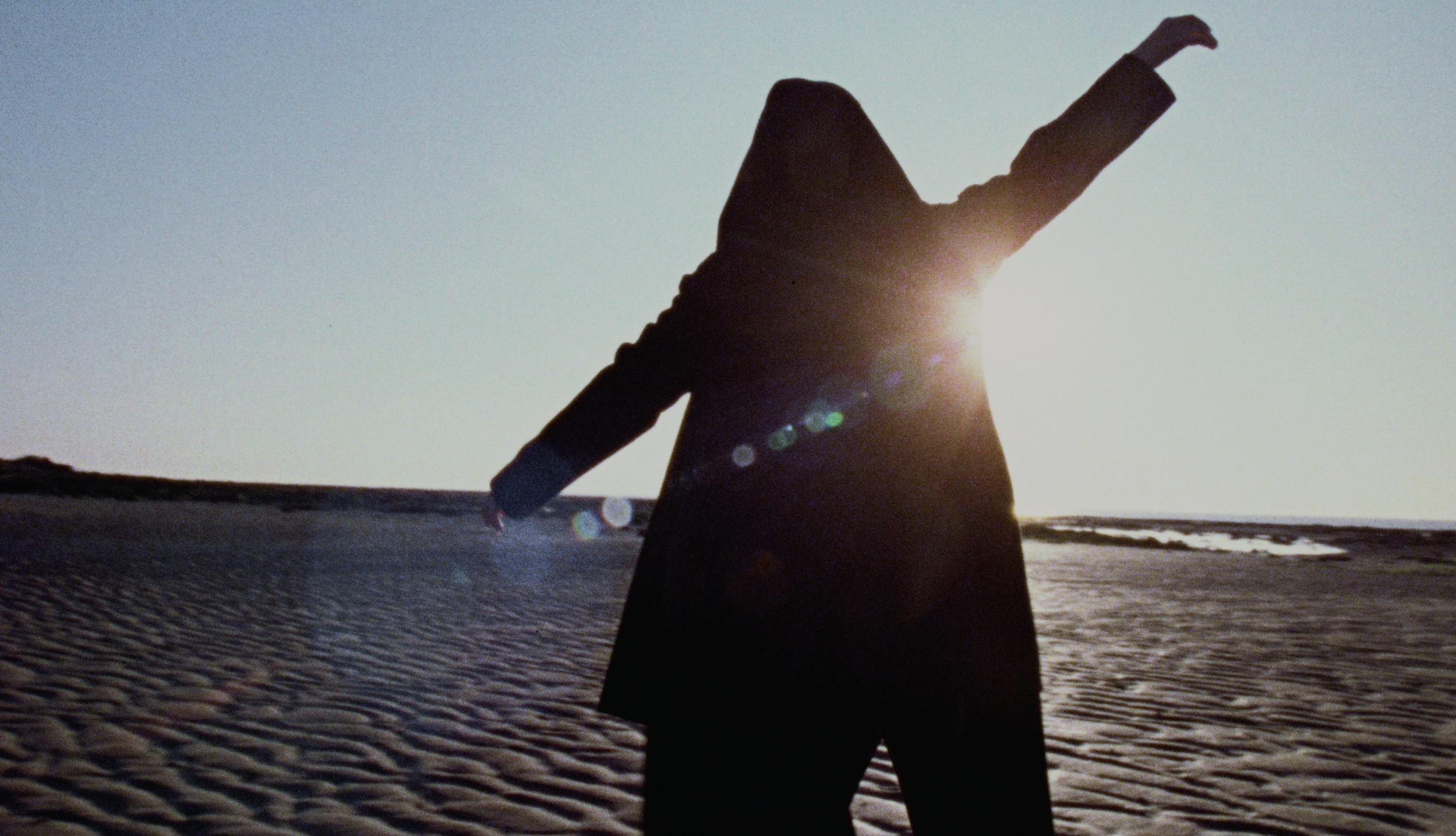
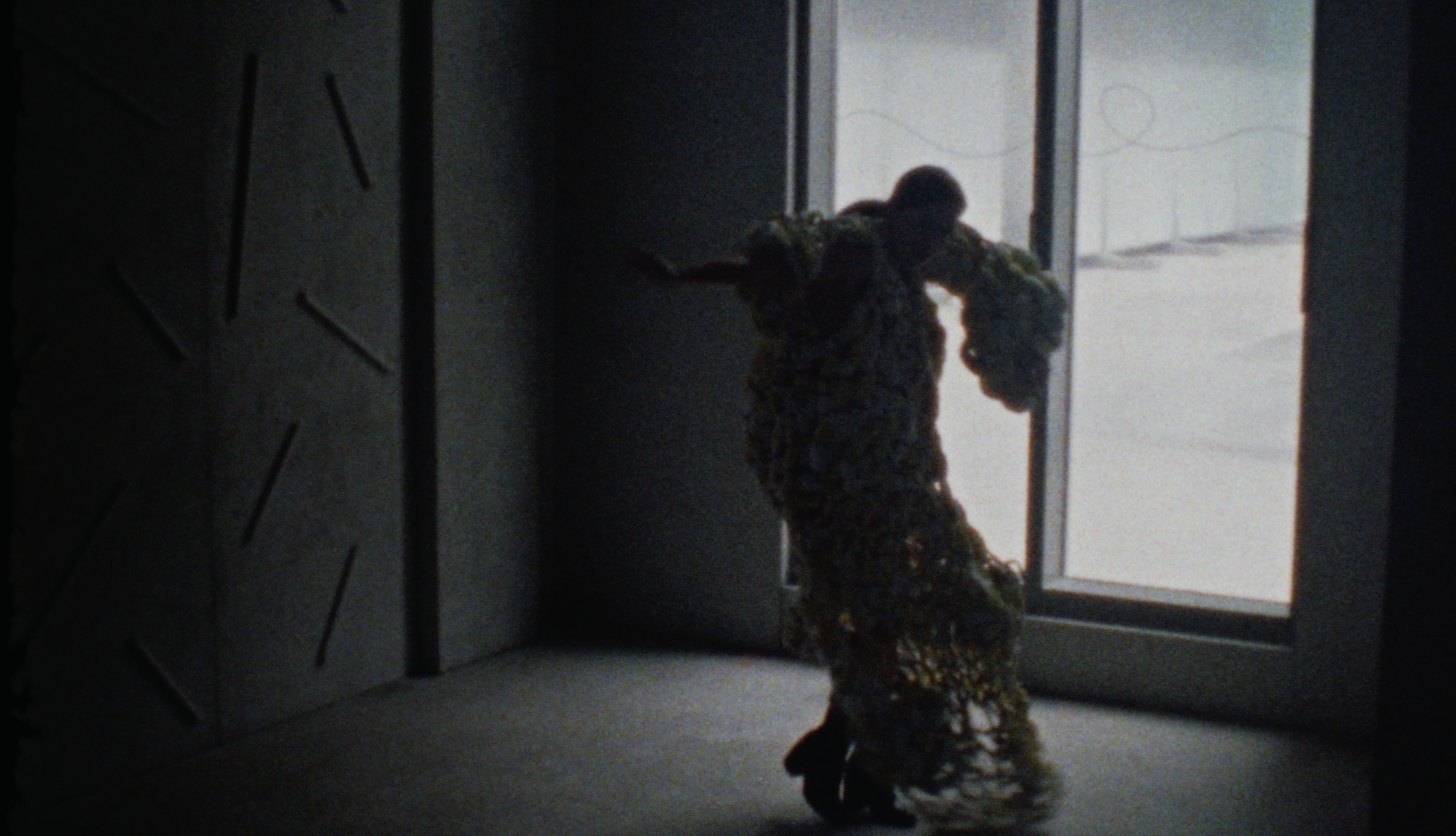
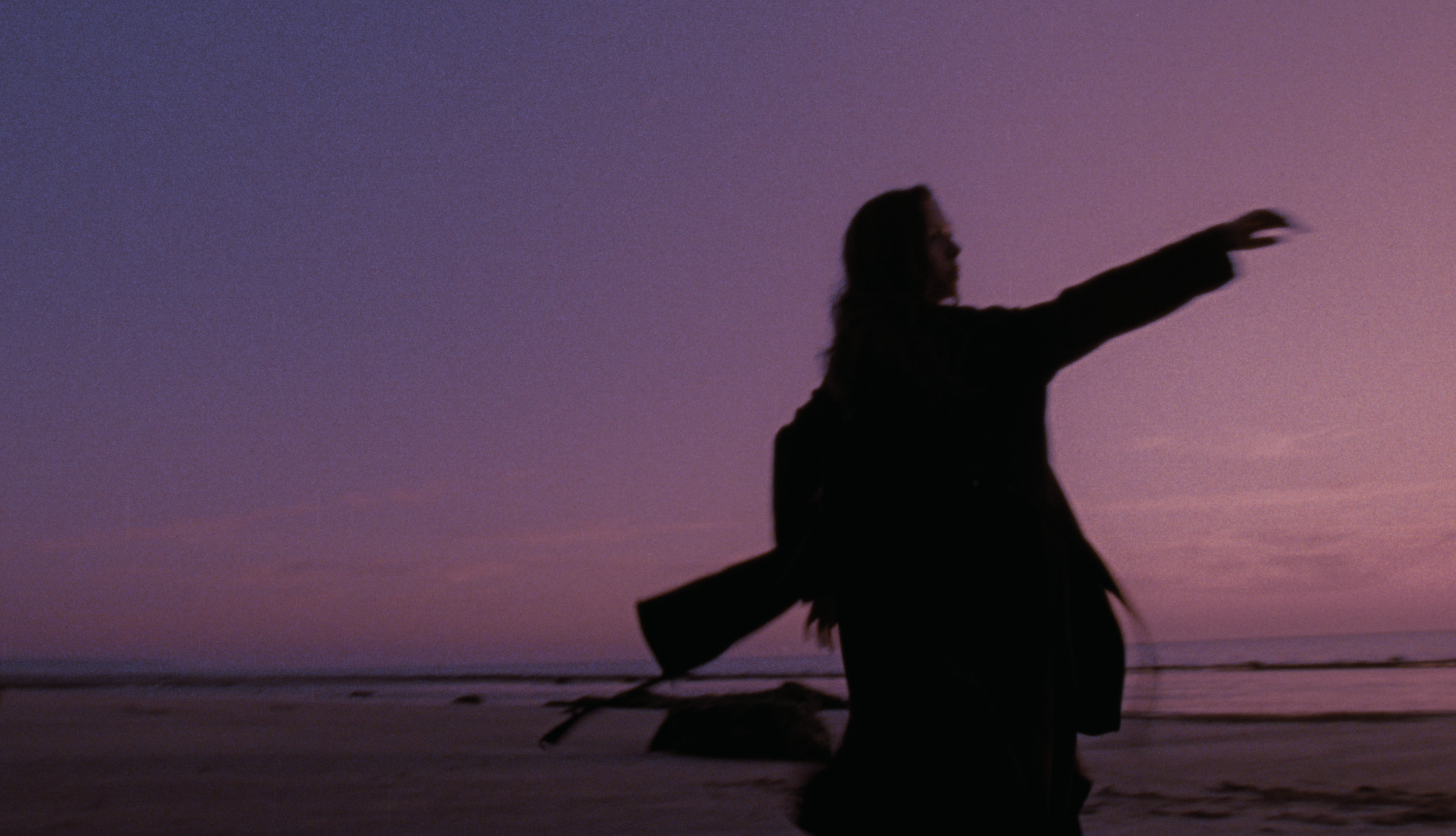
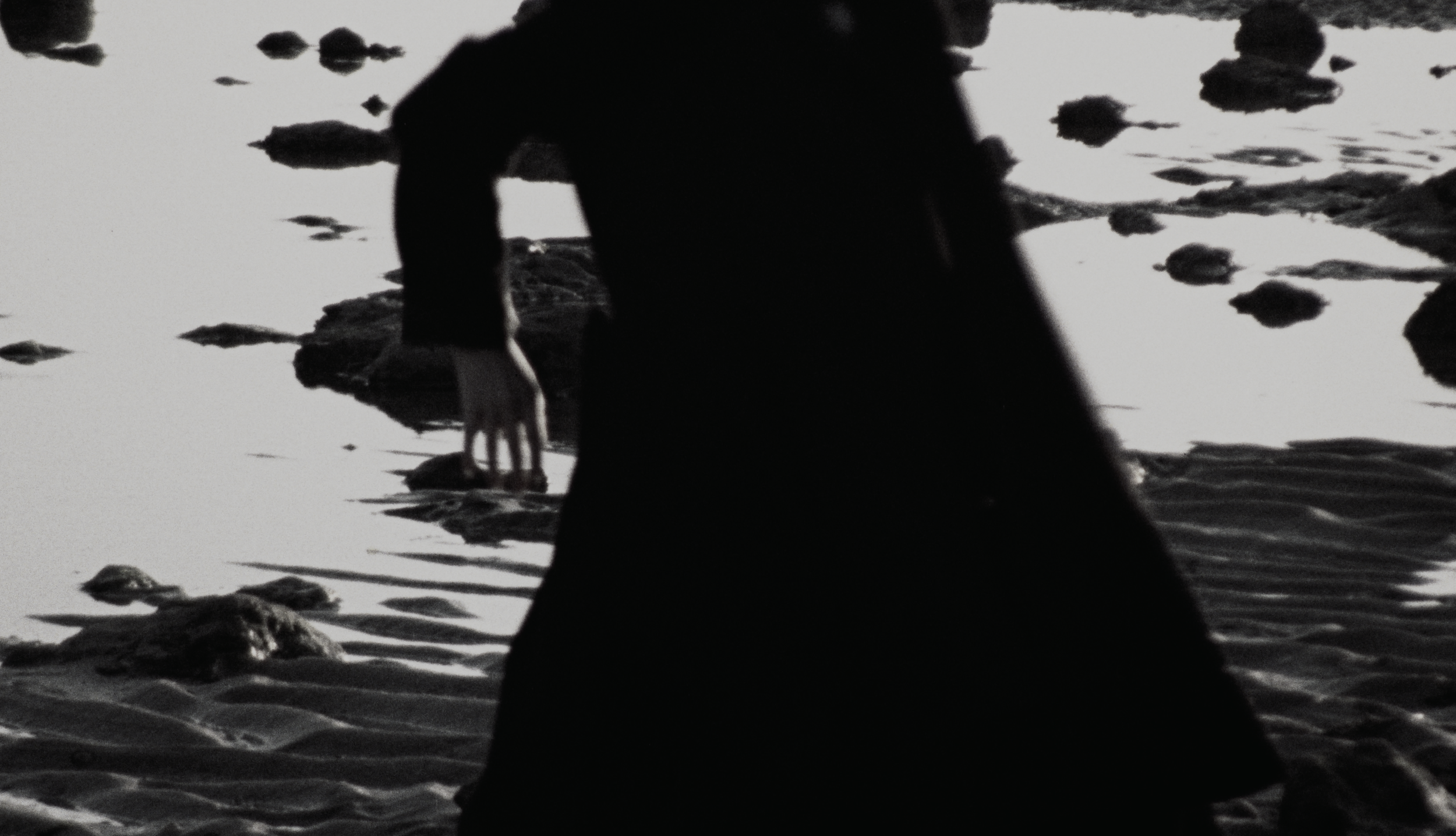
What happens when clothing no longer dresses the silhouette, but questions it, skirts around it, or makes it disappear?
What becomes of the body when the cut no longer follows it, but precedes it, dismantles it, or transcends it?
The volume of the garment reconfigures the lines of the body, unsettles spatial references, invests the void, and generates its own dynamics.
How does clothing reveal our relationship to matter, volume, and space?
How is the intimate space between body and garment activated?
What kind of relationship emerges between flesh, fabric, and form?
The body shares a silent intimacy with the garment. It wraps itself in it, brushes against it, hides within it, or collides with it. Clothing can protect, constrain, magnify; it can also chafe, graze, or lightly touch. Between body and fabric, a sensitive space is woven: a breath, a tension, a memory of contact.
Movement, the natural extension of this relationship, reveals what the still gaze cannot capture: the texture of closeness, the resistance of a cut, the elasticity of emptiness, the memory of friction, the breath of a form in tension. Movement doesn’t just follow form: it extends it, tests it, and highlights its invisible strains. Matter becomes legible through movement.
How does clothing become sensation through movement?
How can movement reveal the intimate and sensory dimension of our relationship with textile envelopes?
What forms do they take in motion?
How does clothing alter our way of feeling and inhabiting space?
How does the act of moving inscribe the tactile memory of clothing into the landscape of body and space?